Quick answer: Vitamin B6 is involved in over 100 enzyme reactions, mostly related to protein metabolism. Low B6 status is linked with skin issues like dermatitis, and adults need about 1.3 to 1.7 mg a day.
The Role of B6
Pyridoxine, the main form of vitamin B6, helps your body process amino acids, the building blocks of proteins like keratin and collagen. It also supports normal energy metabolism and immune function.
B6 and Skin
According to the NIH, B6 deficiency can cause dermatitis with cracks at the corners of the mouth and a scaly rash. While true deficiency is uncommon, intake can be marginal in older adults and people with certain conditions.
How Much You Need
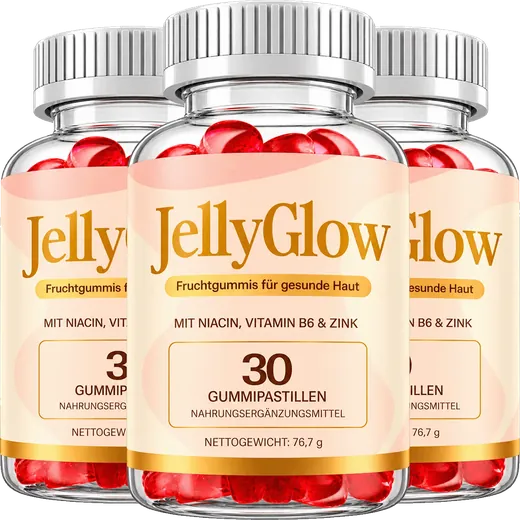
Adults 19 to 50 need 1.3 mg daily. Women over 50 need 1.5 mg and men over 50 need 1.7 mg. JellyGlow supplies 2 mg, well below the 100 mg upper limit.
Food Sources
Chickpeas, salmon, tuna, chicken, potatoes, bananas and fortified cereals are rich in B6.
B6 Within the B-Complex
B vitamins work as a team. Read B vitamins for skin to see how niacin and B6 complement each other.
Frequently Asked Questions
Can too much B6 be harmful?
Very high doses over long periods, far above JellyGlow's 2 mg, can cause nerve problems. Stay under 100 mg daily from all sources.
Does B6 help with hormonal skin?
B6 contributes to the regulation of hormonal activity, but it is not a treatment for acne or hormonal conditions.