Quick answer: Niacin (vitamin B3) is an essential nutrient used to build NAD, a coenzyme in energy production and cell repair. Severe deficiency causes pellagra, a condition that starts with a skin rash, showing how central niacin is to normal skin.
What Niacin Is
Niacin is a water-soluble B vitamin found in two main forms: nicotinic acid and nicotinamide (also called niacinamide). Your body converts both into NAD and NADP, which take part in more than 400 enzyme reactions.
Niacin and Skin
The classic sign of niacin deficiency, pellagra, includes a rash on sun-exposed skin. While deficiency is rare in the US today, the connection shows why niacin is often featured in beauty-from-within products. Topical niacinamide is also widely used in skin care.
How Much You Need
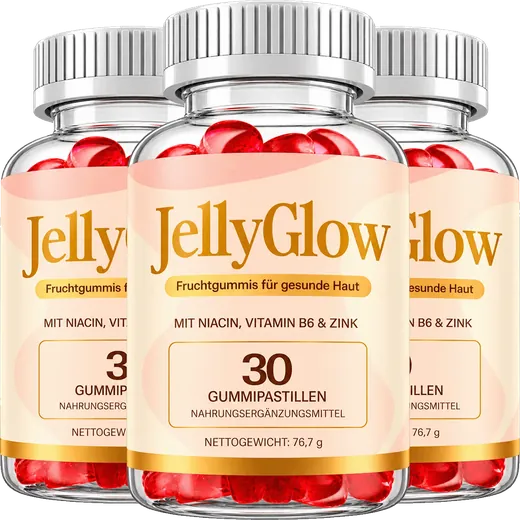
The NIH recommends 14 mg NE daily for adult women and 16 mg NE for adult men. The upper limit from supplements is 35 mg. JellyGlow provides 25 mg per gummy.
Food Sources
Poultry, fish, peanuts, legumes, fortified cereals and whole grains all provide niacin. A balanced diet plus a moderate supplement keeps intake steady. See foods for glowing skin.
Niacin in JellyGlow
JellyGlow pairs niacin with B6 and zinc for a rounded micronutrient base. Read the full ingredients guide.
Frequently Asked Questions
Is niacin the same as niacinamide?
Niacinamide is one form of niacin. Both count toward vitamin B3 intake.
Why do some people flush from niacin?
Nicotinic acid widens small blood vessels at higher doses, causing temporary warmth and redness.