Quick answer: Stress affects skin through hormones like cortisol, poor sleep and skipped self-care. It can worsen breakouts, dryness and dullness. Stress management, sleep and consistent routines help.
The Stress-Skin Connection
Stress triggers hormonal responses that influence oil production, inflammation and barrier function. It also disrupts the habits that keep skin healthy.
Common Signs
- Breakouts during busy periods
- Dry or irritated patches
- Tired, dull complexion
- Flare-ups of existing skin conditions
7 Ways to Calm It
- Walk outdoors daily
- Practice slow breathing for 5 minutes
- Protect your sleep window
- Limit caffeine after noon
- Talk to someone you trust
- Keep a simple, automatic skin routine
- Consider an adaptogen like rhodiola
When to Get Help
The NIMH recommends speaking with a professional if stress lasts for weeks or affects daily life.
JellyGlow's Approach
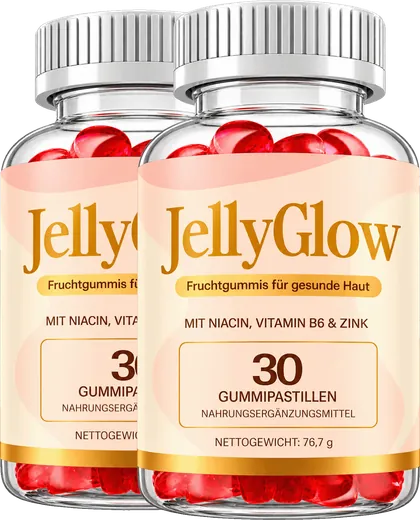
JellyGlow includes rhodiola alongside skin micronutrients, reflecting the link between calm and complexion. See JellyGlow benefits.
Frequently Asked Questions
Can stress cause acne?
Stress can worsen existing acne for many people.
How fast does skin recover after stress?
Often within weeks once sleep and routines return.